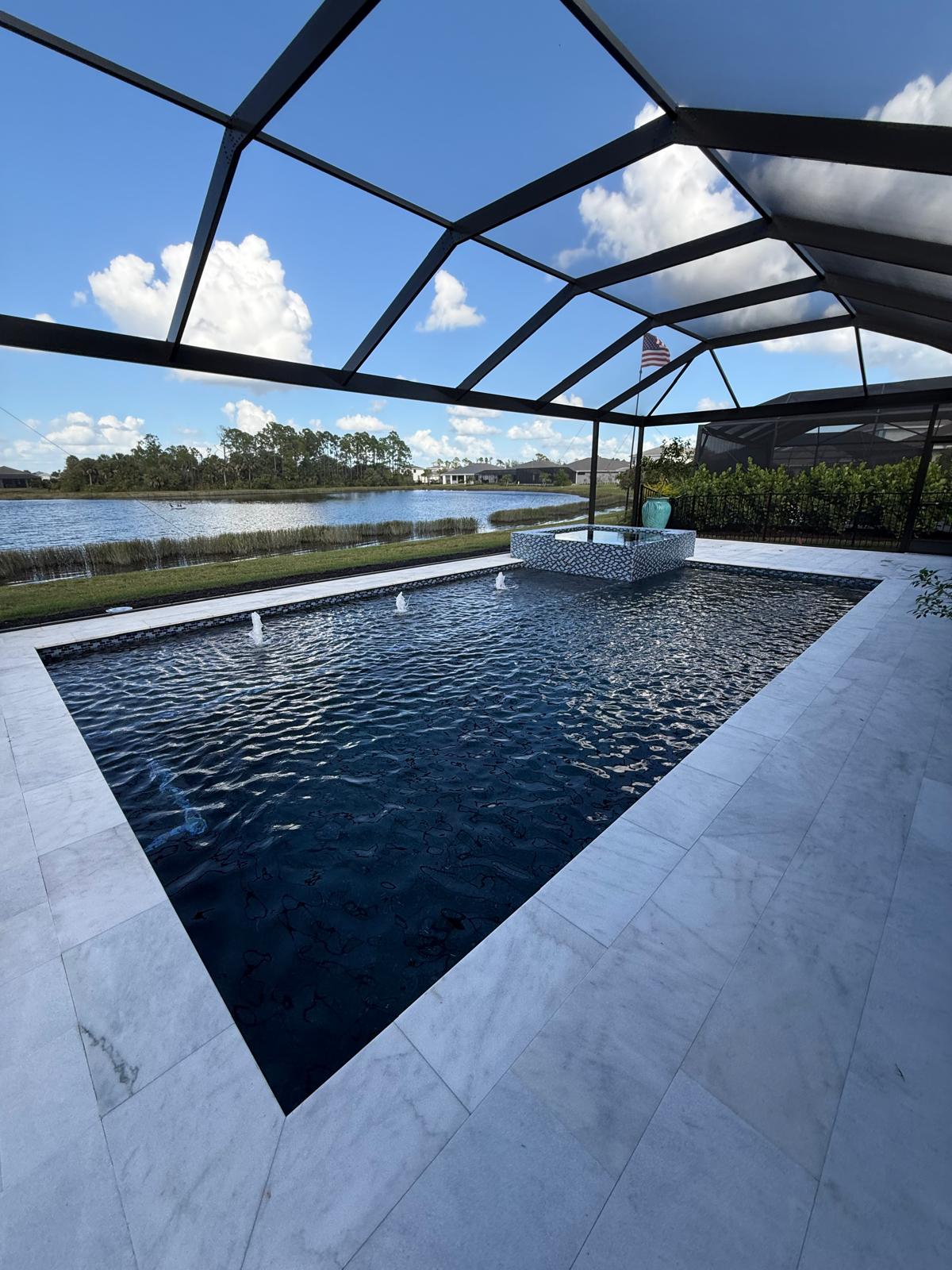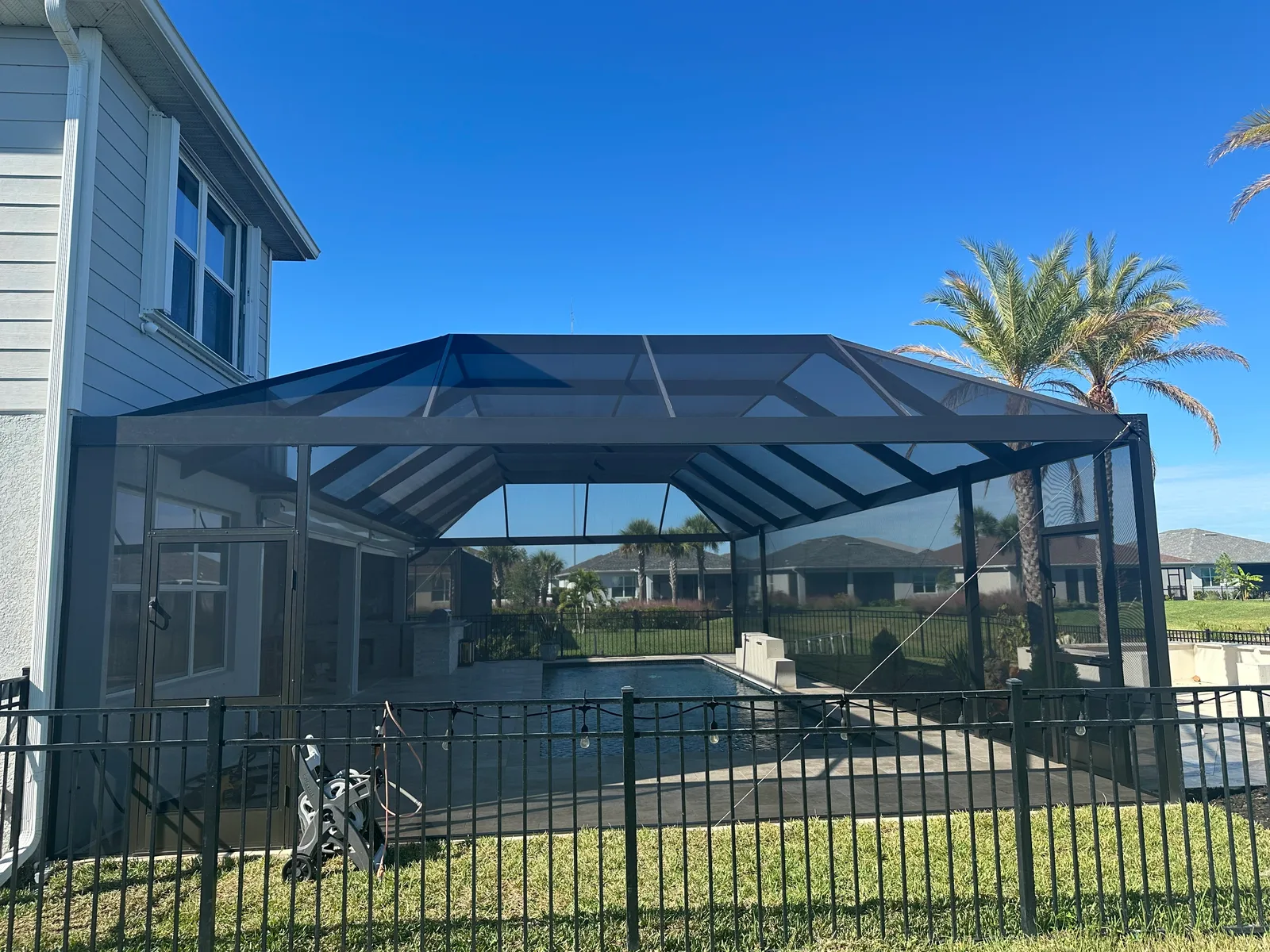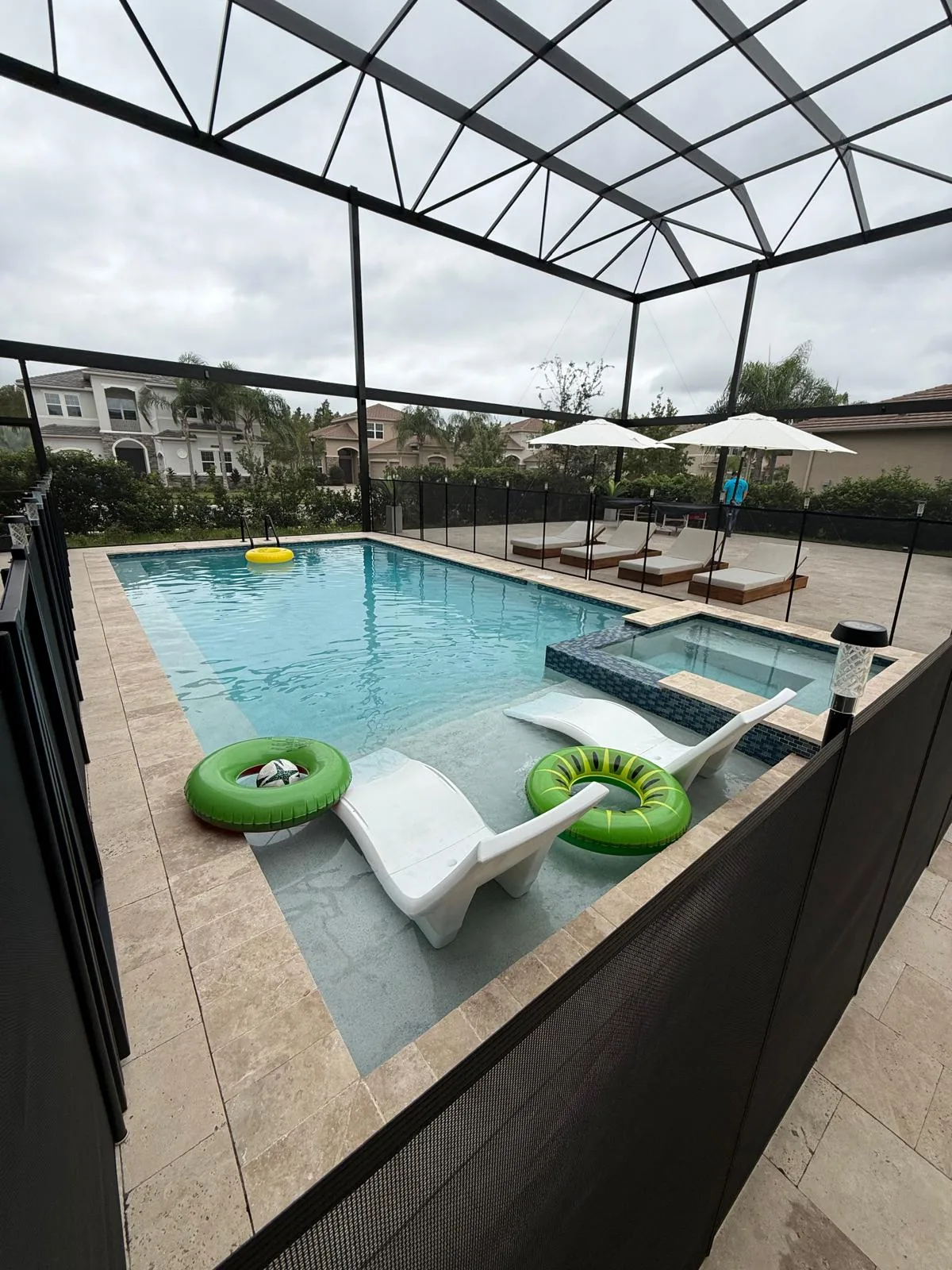
If you've ever tried to enjoy a Florida lanai at 3 PM in July, you already know the problem. The sun bakes the deck, the glare washes out your TV, mosquitoes swarm at dusk, and the heat radiating off your patio furniture makes the whole space feel unusable for hours at a time. Traditional fixed screens help with bugs, but they do nothing for sun, wind-driven rain, or privacy. That's where motorized sunscreens change the game.
At The Yasma Screen, we install motorized sunscreens across Cape Coral, Fort Myers, Naples, and the rest of Southwest Florida, and they have quickly become one of the most requested upgrades for homeowners who want to actually use their outdoor space. Here's everything you need to know about how they work, what they cost, and why Florida is arguably the best market in the country for this technology.
What Exactly Is a Motorized Sunscreen?
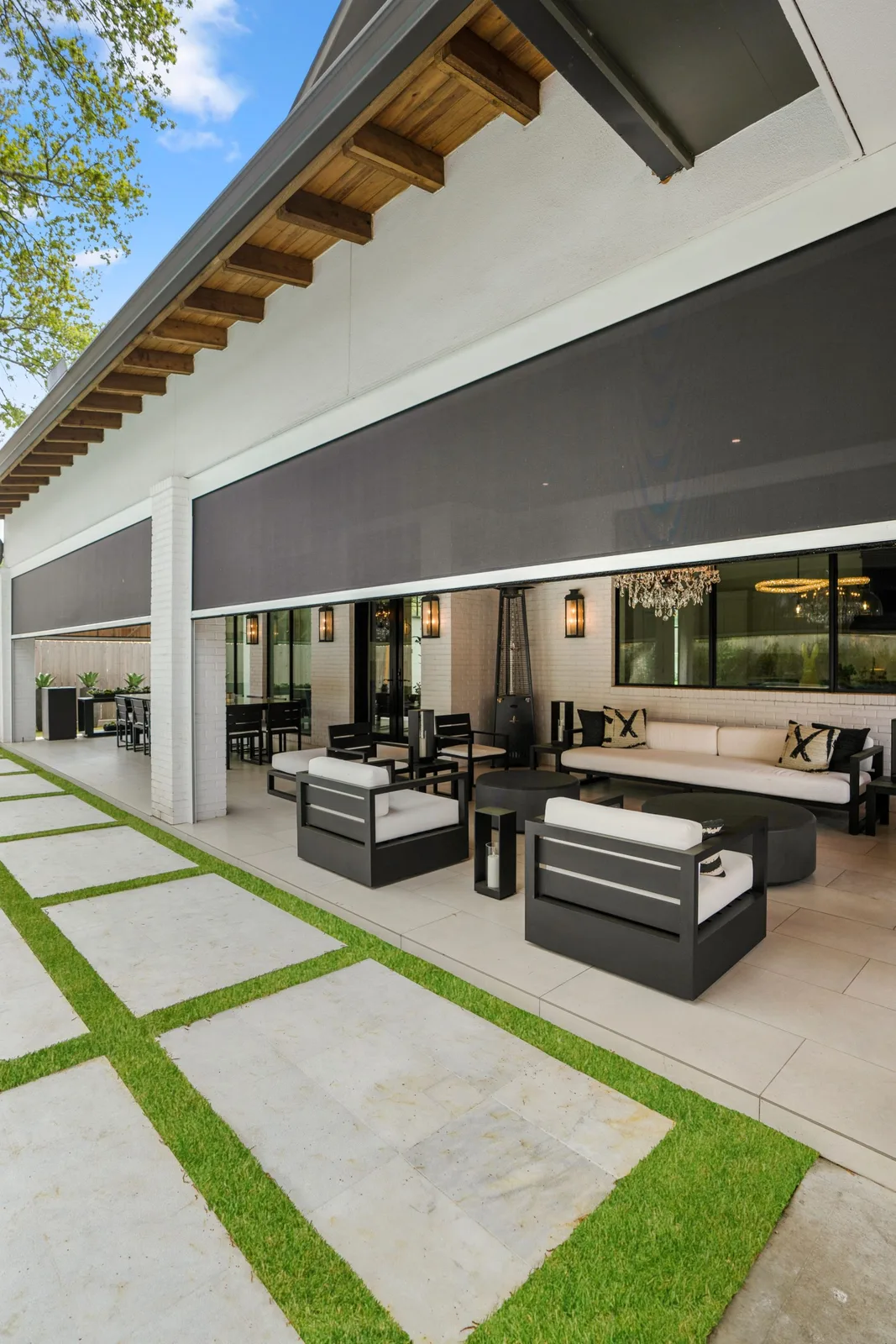
A motorized sunscreen is a retractable mesh screen mounted in a low-profile housing along the top of a lanai opening, garage door, pergola, or window. With the press of a button, the screen rolls down to fully enclose the opening. With another press, it disappears back into its housing, leaving your view completely unobstructed.
The magic is in the mesh itself. Modern sunscreen fabrics are engineered to block 80 to 95 percent of solar heat and harmful UV rays while still allowing you to see clearly through them from the inside. From the outside during daylight hours, they offer privacy because the darker interior is shielded from view. At night, when interior lighting is on, that privacy reverses, which is something to keep in mind.
Why Florida Is the Perfect Market for Sunscreens
Florida's climate creates a unique set of challenges that motorized sunscreens solve in ways no other product can match.
Year-Round Sun Intensity
Unlike northern states with a clear off-season, Florida's sun is relentless almost every day of the year. Even in January, midday UV indexes regularly hit 7 or higher in Southwest Florida. That kind of constant exposure fades furniture, damages flooring, and makes outdoor spaces uncomfortable. Sunscreens cut heat gain dramatically, often dropping patio temperatures by 15 to 20 degrees on a sunny afternoon.
Sudden Afternoon Storms
Florida's famous afternoon thunderstorms blow in fast and hard. Wind-driven rain can soak everything on a lanai in minutes. Motorized sunscreens deploy in under 30 seconds, blocking horizontal rain and keeping your outdoor furniture, electronics, and rugs dry. They're not a substitute for hurricane shutters, but for everyday weather they're remarkably effective.
Bug Pressure
Southwest Florida has bugs. Lots of bugs. No-see-ums, mosquitoes, palmetto bugs, and gnats can make outdoor evenings miserable. Sunscreen mesh acts as an effective insect barrier when deployed, letting you enjoy sunset cocktails without the buffet effect.
High-Value Outdoor Living
Florida homes are designed around outdoor living. Pools, summer kitchens, fire pits, and lanais are major selling points. Anything that extends the usable hours of those spaces directly increases your home's livability and resale value. Motorized sunscreens are one of the highest ROI outdoor improvements you can make.
The Real Benefits, Beyond the Marketing
It's easy to read a brochure and assume sunscreens are a luxury upgrade. In practice, our clients consistently tell us the benefits run much deeper than expected.
Energy Savings
Because sunscreens block heat before it ever reaches your sliding glass doors and windows, your interior cooling load drops substantially. Homeowners regularly report 10 to 20 percent reductions in summer cooling bills after installation, especially on west-facing exposures. Over the lifespan of the system, those energy savings often offset a meaningful portion of the original investment.
Furniture and Floor Protection
UV is brutal on outdoor cushions, rugs, wood furniture, and even tile grout. The same UV that fades a couch in two seasons would have lasted a decade indoors. By blocking 90 percent or more of UV, sunscreens dramatically extend the lifespan of everything on your patio.
Glare Reduction for Indoor Living
If your living room or kitchen opens to a screened lanai, afternoon glare can make TVs, computer screens, and reading nearly impossible. Deploying a sunscreen on the lanai softens the light coming into your home without darkening it completely. It's like putting sunglasses on your house.
True Privacy on Demand
Homes built close to neighbors or facing a busy street benefit enormously from on-demand privacy. Sunscreens give you the ability to instantly create a private outdoor room when you want one, then roll it back up when you don't.
Pet and Child Safety
A deployed sunscreen creates a soft barrier that helps keep pets and small children contained on the lanai without the visual heaviness of a full enclosure. It's not a substitute for proper supervision, but it adds a layer of comfort.
What Separates a Quality Installation From a Cheap One
Like any home improvement, motorized sunscreens come in a wide range of quality levels. The difference between a system that lasts 15 years and one that fails in 4 comes down to a few key details.
Motor Quality
The motor is the heart of the system. Premium installations use Somfy or similar tier-one motors with 5 to 7 year warranties and built-in obstacle detection. Cheaper motors burn out, lose programming, and become a constant headache. Always ask which motor brand is being used and what the warranty actually covers.
Track and Side Retention Systems
To handle Florida wind without flapping or pulling out of the housing, sunscreens need a side retention system. The best systems use zip-track or cable-guided edges that keep the screen taut even in 40 to 50 mph gusts. Cheaper systems use simple side channels that can release in moderate wind.
Fabric Specification
Not all sunscreen mesh is the same. Premium fabrics from manufacturers like Phifer or Twitchell carry 10-year fade warranties and maintain their performance for decades. Bargain fabrics fade, sag, and develop holes within a few seasons of Florida exposure.
Housing and Hardware
Aluminum housings should be powder-coated to match your home and use stainless steel fasteners throughout. Anything less will corrode visibly within a couple of years in coastal air.
Smart Home Integration
Modern motorized sunscreens can integrate with smart home platforms, allowing voice control, app control, schedule-based automation, and even sensor-based deployment that responds to sun, wind, or rain. If smart integration matters to you, confirm compatibility before signing a contract.
Common Use Cases We See Most Often
After hundreds of installations across Southwest Florida, certain applications come up again and again.
- Lanai openings around pools, where sun and bugs are the biggest issues
- West-facing patios that become unusable from 2 PM until sunset
- Outdoor kitchens that need protection from sudden rain
- Garage doors converted into flex outdoor living space
- Pergolas and freestanding outdoor rooms that need on-demand enclosure
- Second-story balconies where wind and privacy matter most
Each of these applications calls for slightly different specifications, which is why a real site visit and consultation matters more than a generic online quote.
Lifespan and Maintenance
A properly installed motorized sunscreen system from a reputable installer should last 12 to 18 years before any major component needs replacement. The mesh itself typically goes 8 to 12 years in Florida sun before fading or stretching enough to warrant replacement, while the motor and housing usually outlast the fabric by several years.
Maintenance is minimal. A gentle rinse with a garden hose every couple of months keeps the mesh clean. Once a year, a quick inspection of the motor and tracks ensures everything is operating smoothly. That's really it.
Q&A: Motorized Sunscreens for Florida Homes
How much do motorized sunscreens cost?
Pricing varies based on size, motor quality, fabric grade, and integration features. A typical opening of 10 to 12 feet wide runs roughly 2,500 to 4,500 dollars installed, with larger or higher-end systems easily exceeding 6,000 dollars. Always get a written quote that specifies motor brand, fabric manufacturer, and warranty terms.
Will sunscreens hold up to a hurricane?
Motorized sunscreens are not rated as hurricane protection. Most Florida building codes require dedicated hurricane shutters or impact-rated panels for storm season. Sunscreens are excellent for everyday weather, but you'll want to retract them and rely on proper hurricane protection during named storms.
Can I install sunscreens on an existing lanai?
In almost every case, yes. The housings are surface-mounted and require minimal structural modification. As long as you have a clean header beam or fascia to attach to, installation typically takes one to two days per project.
How are they powered?
Most installations are hard-wired into your home's electrical system, which keeps them invisible and reliable. Battery-powered and solar-powered options exist for retrofits where running wire is impractical, but hard-wired systems are the gold standard for longevity.
Can I see through them when they're down?
Yes, from the inside looking out you can see clearly through the mesh during daylight, almost like wearing tinted sunglasses. From the outside during the day, the darker fabric provides strong privacy. At night, when interior lights are on, visibility reverses and people outside can see in, so plan accordingly.
Do they work with smart home systems?
Most premium motors support integration with Somfy TaHoma, Lutron, Control4, and similar platforms. Voice control through Alexa or Google Home is also common. Confirm specific compatibility before purchase if smart features matter to you.
What about wind?
Quality systems with zip-track retention handle sustained winds up to 40 to 50 mph without issue. Above that, most installers recommend retracting them automatically using a wind sensor. Cheap systems without proper side retention can flap or fail in much lighter wind.
Ready to reclaim your Florida lanai? The Yasma Screen designs and installs custom motorized sunscreen systems for homes across Cape Coral, Fort Myers, Naples, and all of Southwest Florida. We use premium motors, hurricane-tested fabrics, and stainless hardware built to last. Request your free estimate today.